How to Choose a DC EV Charger for Different Charging Applications?
Release time: 2026-09-22
Table of Contents
Choosing a DC EV Charger starts with the charging site, not just the charger’s rated power. A public charging station may need high output and broad vehicle compatibility, while a fleet depot may place more importance on daily charging schedules. For roadside assistance or temporary projects, portability can matter more than maximum power.
The right choice usually comes down to how the charger will be used, how much power is available, and whether the equipment needs to stay in one place.
DC EV Charger Options for Different Applications
| Charging Application | Suitable Charger Type | Main Considerations |
| Public EV charging station | 120–160kW DC charger | High charging demand and vehicle turnover |
| Commercial fleet charging | 120–160kW or mobile DC charger | Fleet schedules and flexible deployment |
| Urban commercial charging | 40–80kW DC charger | Daily demand and available space |
| Space-limited locations | 20–40kW wall-mounted charger | Installation space |
| Emergency and temporary charging | 30–40kW portable charger | Mobility and quick deployment |
| Remote or off-grid applications | 40–80kW battery-integrated mobile charger | Energy storage and flexible power supply |
Public EV Charging Stations
A public charging station usually serves different EV models throughout the day, so connector compatibility and charging capacity are important.
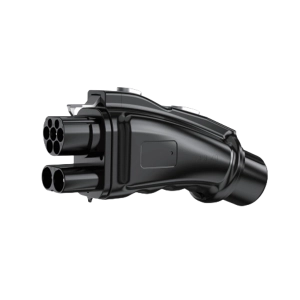
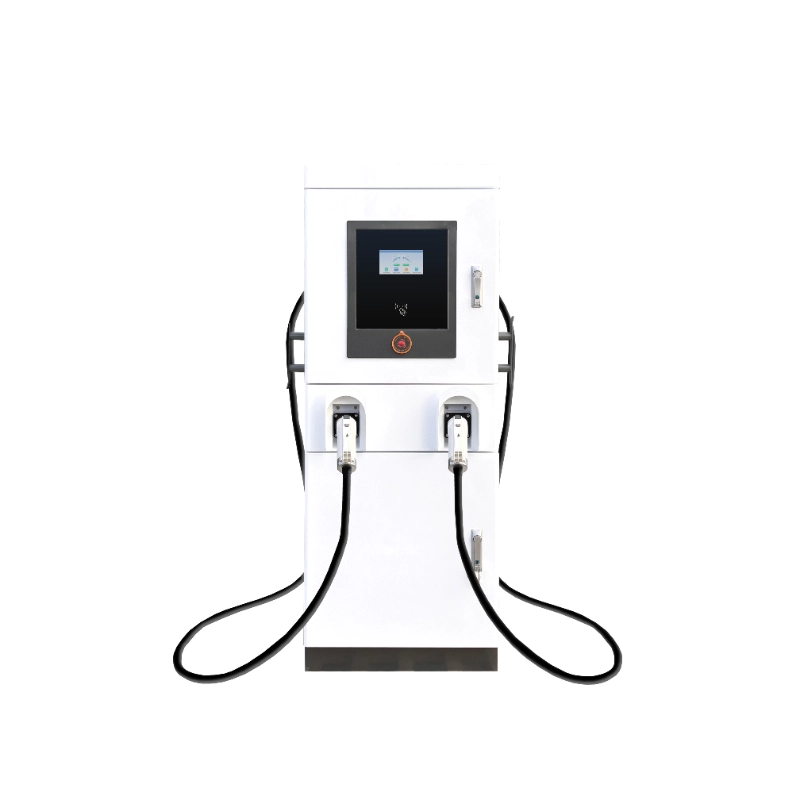
For busy locations, 120kW and 160kW commercial DC chargers are suitable options. They support CCS1, CCS2, GBT, CHAdeMO, and NACS interfaces, giving operators more flexibility when serving different vehicles. Both are designed for outdoor use and support OCPP, which can be useful for managed charging networks.
Not every public station needs 160kW, though. A smaller urban site may have more moderate traffic and limited electrical capacity. In those cases, a 40kW, 60kW, or 80kW PowerCore charger can be a more practical fit.
The main point is to match charger output with actual traffic and site capacity rather than choosing the highest rating by default.
Commercial Fleet Charging
Fleet charging follows a different pattern from public charging. Vehicles often return to the same depot and operate on relatively predictable schedules. This makes charging capacity, availability, and deployment flexibility particularly relevant.
For larger fleets, 120kW and 160kW chargers can support higher charging demand when the site’s electrical infrastructure is suitable. They are also worth considering for commercial charging networks that need to handle a steady flow of vehicles.
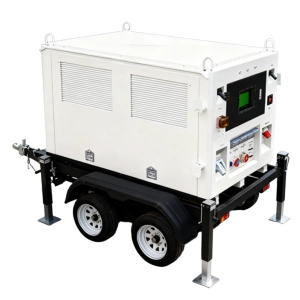
A mobile setup can make sense when the charging area changes or fixed installation is not practical. The PowerMove 40kW Dual DC Mobile Charger, for example, can charge two vehicles and can be moved between suitable locations. This makes it useful for fleet depots, commercial parking areas, and temporary charging sites.
Off-Grid and Remote Area Charging
Installing a conventional fixed charging station is not always straightforward in remote locations. Grid access may be limited, or a project may only need charging equipment for a temporary period.
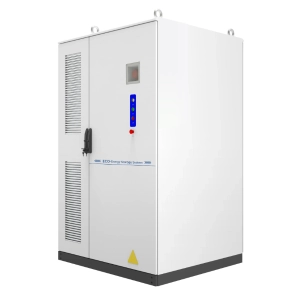
A battery-integrated mobile charger offers another approach. KED’s Mobile DC Charger with Direct Battery Input combines a mobile DC charger with a battery energy storage cabinet and smart energy management system. It provides 40–80kW of output and can be configured with solar PV integration and remote monitoring.
This type of DC Electric Vehicle Charger can be considered for selected remote, temporary, and off-grid applications where flexible energy use is important.
The actual setup still depends on the site’s power requirements and available energy sources, but the combination of charging and storage can reduce the need to rely entirely on a fixed grid connection.
Highway and Service Area Charging
Highway service areas often see a relatively high turnover of vehicles. Drivers generally do not want to spend longer than necessary at a charging stop, so charger capacity becomes an important part of the site design.
For higher-demand locations, 120kW and 160kW DC Fast EV Charger models are worth considering. Their higher rated output can support demanding charging sites when the vehicle and electrical infrastructure can make use of it.
For smaller service areas, a lower-power charger may be enough. There is little benefit in installing equipment far beyond the site’s actual demand if the electrical supply and vehicle mix do not require it.
Emergency and Mobile Charging Services
Roadside assistance and temporary charging services have one obvious requirement: the charger needs to go where it is needed.
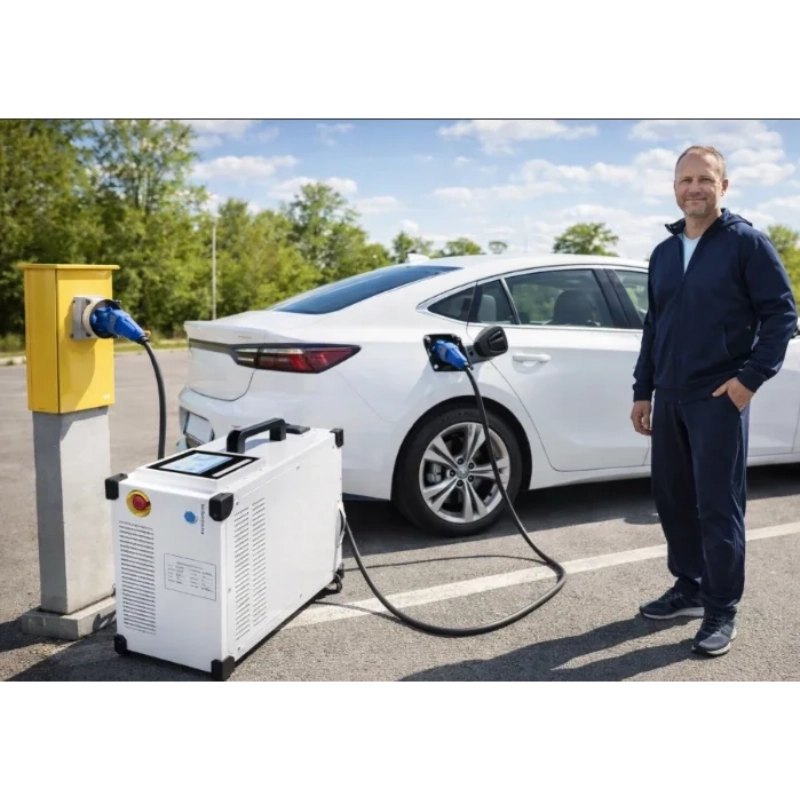
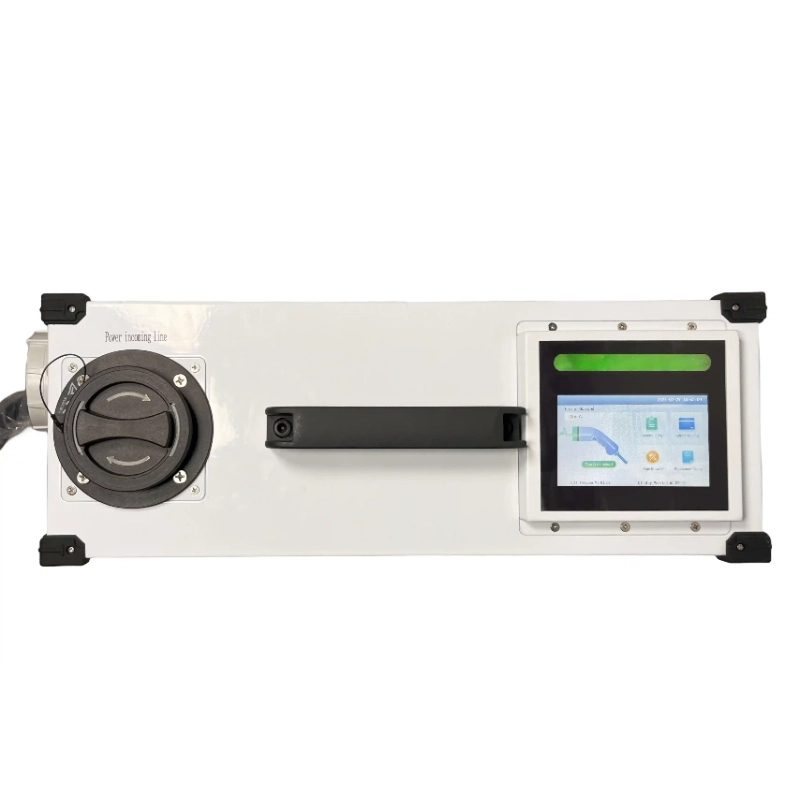
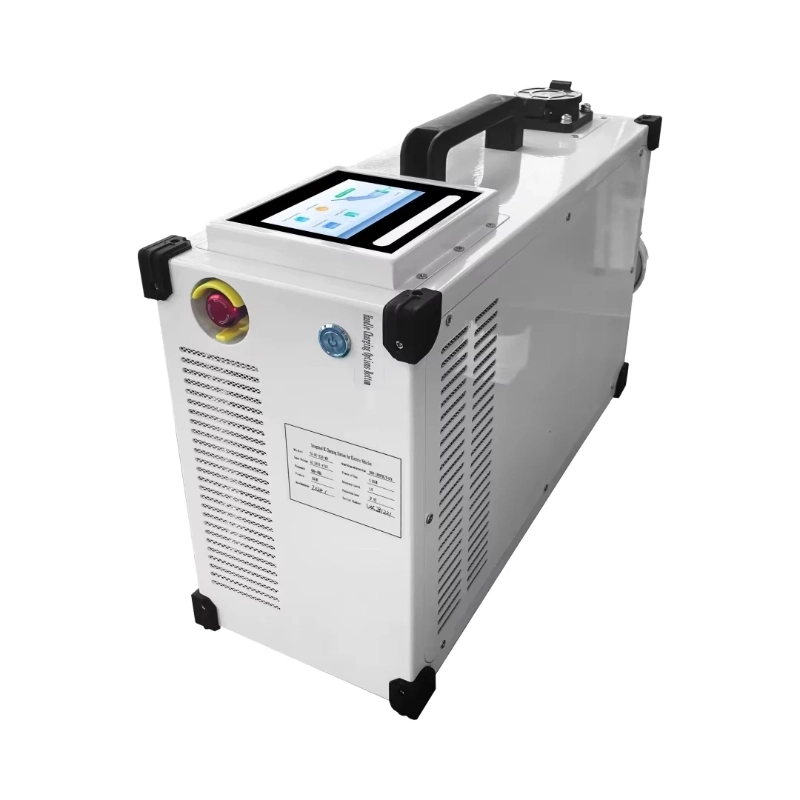
FastGo 30kW and 40kW portable DC chargers are designed with this type of use in mind. They support plug-and-play operation and can be connected through a charging cable or CEE industrial plug. Their portable design makes them easier to transport between workshops, roadside locations, and temporary charging points.
These DC Fast Charger models support CCS1, CCS2, GBT, CHAdeMO, and NACS interfaces, allowing operators to work with different vehicle types.
For situations where access to a stable grid connection is limited, a battery-integrated mobile charger may be a better option than a conventional portable unit.
What About Locations With Limited Installation Space?
Floor space can be another deciding factor, especially in urban commercial areas.
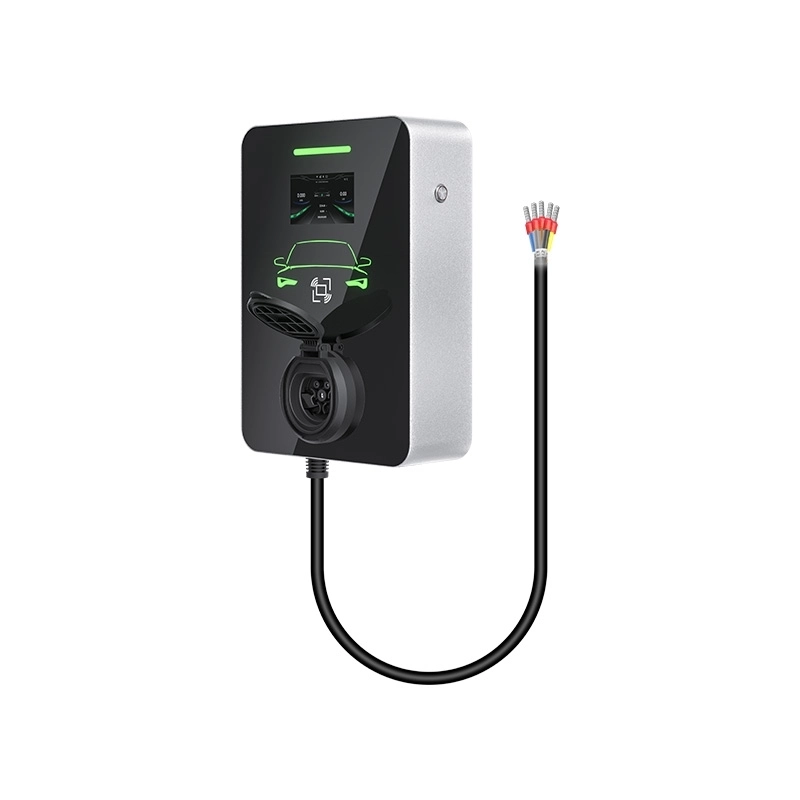
The PowerWall range comes in 20kW, 30kW, and 40kW versions and uses a wall-mounted design. It can be considered where a floor-standing charger would take up too much usable space.
Before choosing a wall-mounted unit, it is worth checking the wall structure, cable routing, electrical connection, and service access. These practical details can affect the installation just as much as the charger’s rated output.
A Practical Way to Choose
Before ordering a charger, look at the site from a few basic angles:
- How many EVs need to be charged each day?
- Are vehicles staying for a short period or several hours?
- How much electrical capacity is available?
- Is the charger going to remain in one location?
- Is floor space limited?
- Could the charger be needed at different locations?
- Is grid power available at the charging site?
For a busy public station or highway site, higher-power fixed equipment may be appropriate. Commercial locations with moderate demand can often work with 40–80kW models. Temporary and roadside applications are better suited to portable or mobile chargers, while remote projects may benefit from a charger combined with battery storage.
Hefei KED Charging Technology Co., Ltd. has been working in EV charging and energy storage since 2014. Its product range covers AC chargers, DC fast charging stations, energy storage systems, and mobile energy storage charging units for residential, commercial, emergency, and selected off-grid applications. OEM and ODM services are also available for projects with specific hardware, branding, or communication requirements.
FAQ
1. What type of DC EV Charger is suitable for a public charging station?
For high-traffic locations, 120kW or 160kW commercial DC chargers can be considered. Smaller stations with moderate demand may be better matched with 40–80kW equipment.
2. Can a mobile DC charger be used in remote areas?
Yes. Battery-integrated mobile chargers can be considered for certain remote, temporary, and off-grid applications, particularly where grid access is limited.
3. What power ratings are available in the PowerWall range?
The PowerWall series includes 20kW, 30kW, and 40kW wall-mounted DC chargers.
4. Where can portable DC chargers be used?
Portable chargers such as the FastGo 30kW and 40kW models are suitable for roadside assistance, workshops, temporary charging sites, and mobile charging services.