
Top Factors to Consider When Buying a Commercial DC EV Charger
Release time: 2026-08-11
Table of Contents
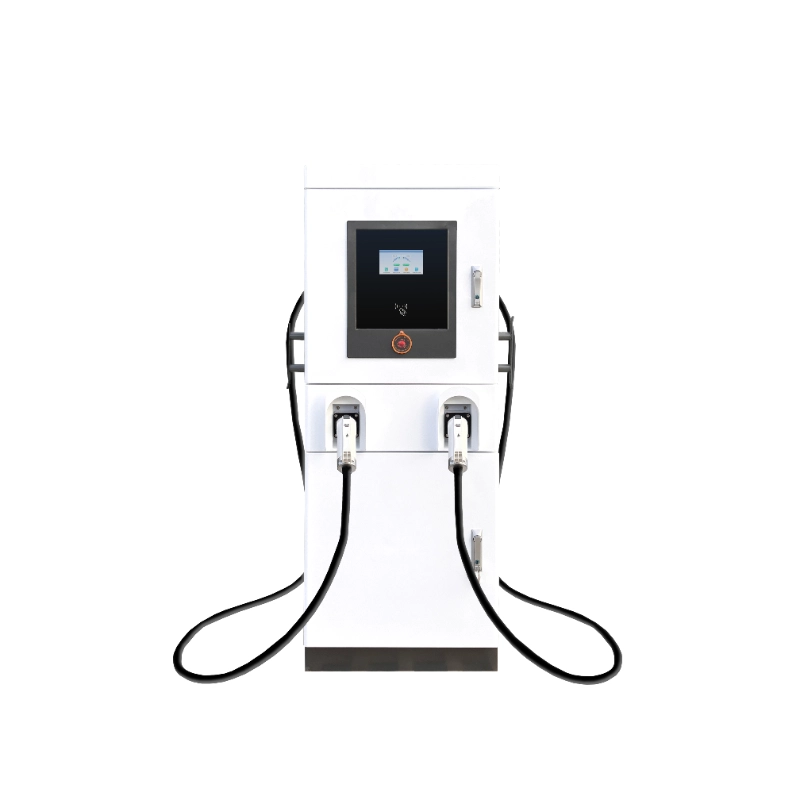
As electric vehicles continue to grow in popularity, businesses and organizations are investing in reliable charging infrastructure to support the increasing demand for EV charging services. From commercial parking facilities and highway charging stations to fleet depots and public charging networks, choosing the right DC EV Charger has become a critical decision for long-term operation and profitability.
Unlike traditional AC chargers, DC charging solutions can deliver power directly to the vehicle battery, significantly reducing charging time and improving user experience. However, selecting the right commercial charging equipment requires careful consideration of several key factors.
Charging Power and Capacity Requirements
Charging power is one of the most important factors when choosing a commercial EV charging solution. Different applications require different power levels depending on vehicle types, charging frequency, and operational needs.
For example, fleet operators and highway charging stations typically require high-power charging equipment to minimize vehicle downtime, while commercial parking areas may have different capacity requirements.
When selecting a DC fast charger, businesses should evaluate their current and future charging demands instead of focusing only on maximum output power. A properly sized charger can improve charging efficiency while avoiding unnecessary investment in oversized equipment.
Compatibility with Different EV Models
A commercial charging station may serve multiple electric vehicle brands, making compatibility an essential consideration. The selected charger should support widely used charging standards, connectors, and communication protocols to ensure smooth operation with various EV models.
A reliable DC fast EV charger should also provide stable communication between the vehicle, charger, and management platform. This helps operators monitor charging status, manage payments, collect usage data, and improve overall charging network efficiency.
For businesses planning long-term expansion, choosing a flexible and compatible charging solution can reduce future upgrade costs and simplify station management.
Safety, Reliability, and Durability
Commercial chargers are often required to operate continuously in different environments, making safety and reliability key purchasing factors.
A high-quality DC EV charging system should include multiple protection features, such as overcurrent protection, overvoltage protection, short-circuit protection, temperature monitoring, and surge protection. These features help ensure safe operation and reduce potential downtime.
For outdoor installations, durability is equally important. Weather-resistant designs and strong protection ratings allow charging equipment to perform reliably under various conditions, including rain, dust, and temperature changes.
Smart Management and Connectivity Features
Modern EV charging infrastructure is becoming increasingly intelligent. Beyond providing electricity, commercial chargers now offer advanced management capabilities that help operators improve efficiency and reduce operating costs.
Smart charging platforms enable remote monitoring, fault diagnosis, charging data analysis, and system management. These functions allow operators to quickly identify issues and optimize charging operations without frequent on-site inspections.
For commercial projects, a DC EV Charger with intelligent management features can provide better control, higher availability, and improved customer experience.
Installation Cost and Long-Term Operating Value
When purchasing commercial charging equipment, the initial price should not be the only consideration. Businesses should also evaluate installation requirements, maintenance costs, energy efficiency, and the expected service life of the equipment.
A lower-cost charger may seem attractive at first, but frequent maintenance, limited performance, or poor reliability can increase total ownership costs over time.
Choosing an experienced supplier with proven technology and professional support can help businesses build a more stable and cost-effective EV charging network.
Supplier Experience and After-Sales Support
The supplier’s expertise plays an important role in the success of a commercial charging project. A reliable manufacturer should provide not only charging equipment but also technical guidance, customization options, installation support, and after-sales service.
Before making a purchase decision, businesses should review factors such as product certifications, manufacturing capabilities, project experience, and customer support services.
A trusted charging partner can help ensure smooth deployment and provide continuous support as charging requirements evolve.
Driving the Future of Commercial EV Charging
The right DC EV Charger is more than just a charging device—it is a key part of a smarter and more efficient EV ecosystem. By choosing reliable, scalable charging solutions, businesses can improve operations and prepare for the growing demand for electric mobility. KED Charging provides advanced DC charging solutions designed to support commercial applications with reliable performance and long-term value.