What’s The Difference Between AC Charging And DC Fast Charging?
Release time: 2026-04-13
When it comes to charging electric vehicles (EVs), not all charging methods are created equal. The key difference between AC (Alternating Current) charging and DC (Direct Current) fast charging lies in where the power gets converted.
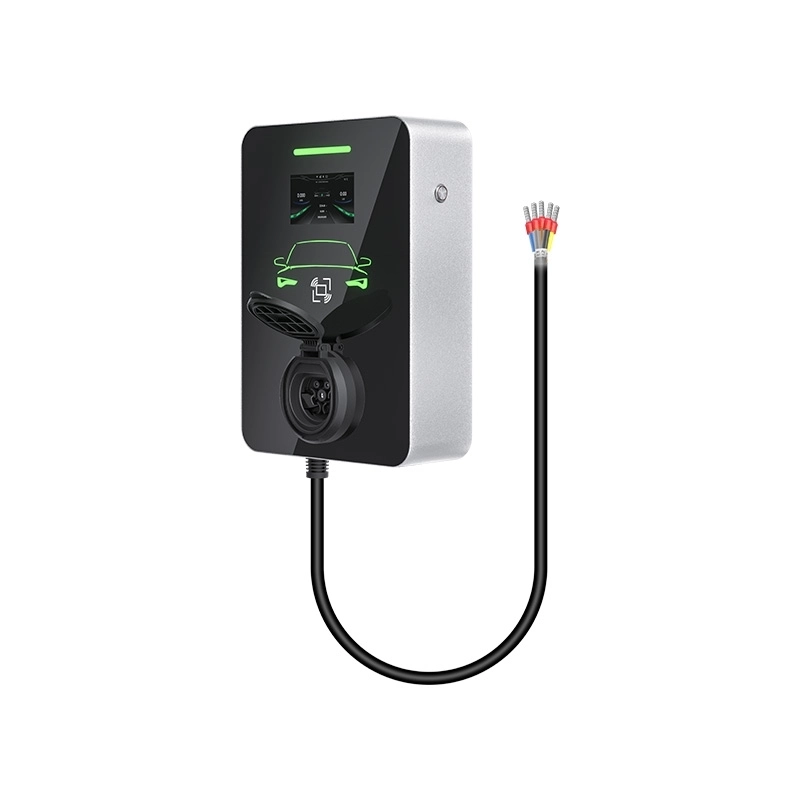
- AC Charging (Level 1 & Level 2): AC power comes from the grid. The EV’s onboard charger converts it to DC to charge the battery. This process is slower—typically adding 10–60 miles of range per hour. It’s best for home, workplace, or overnight charging.
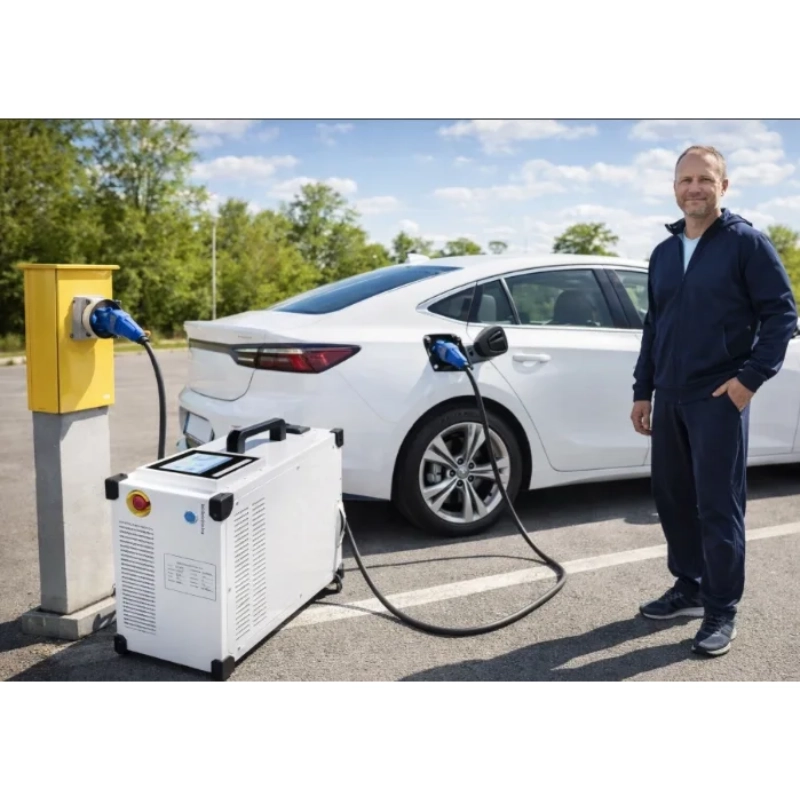
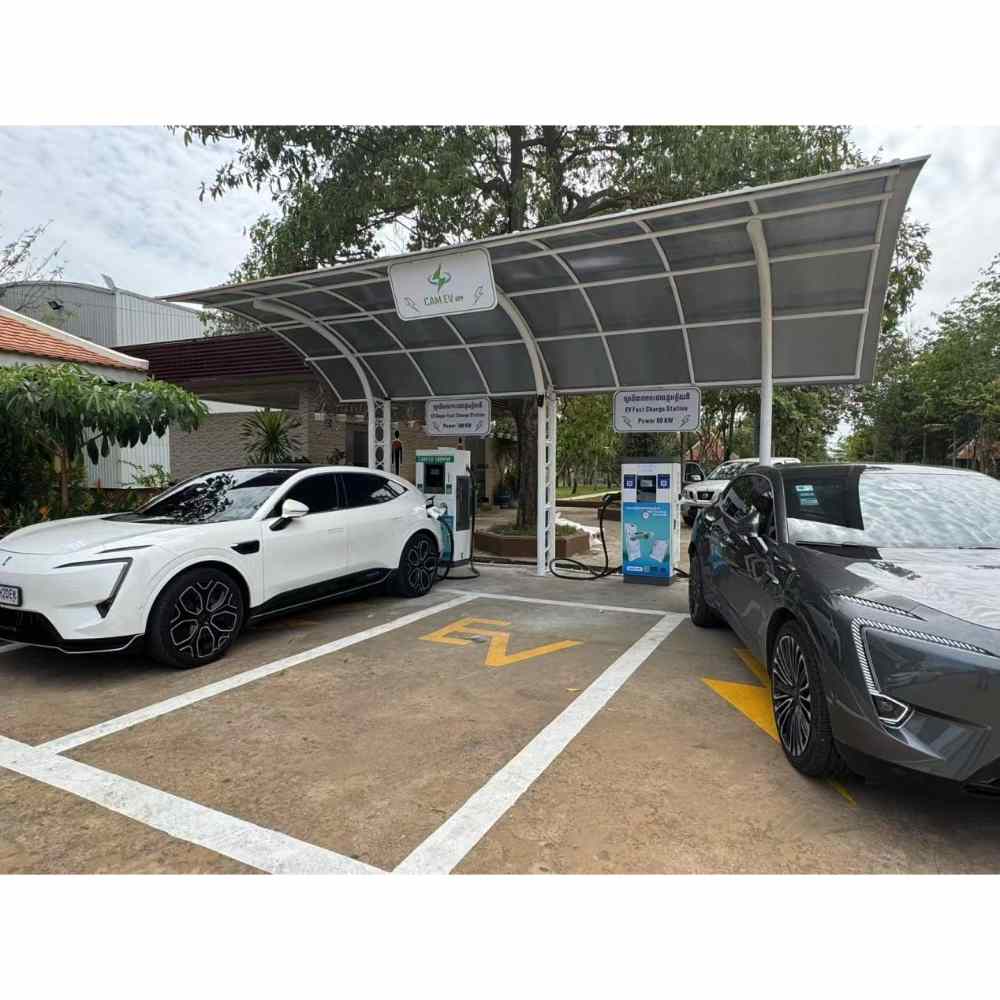
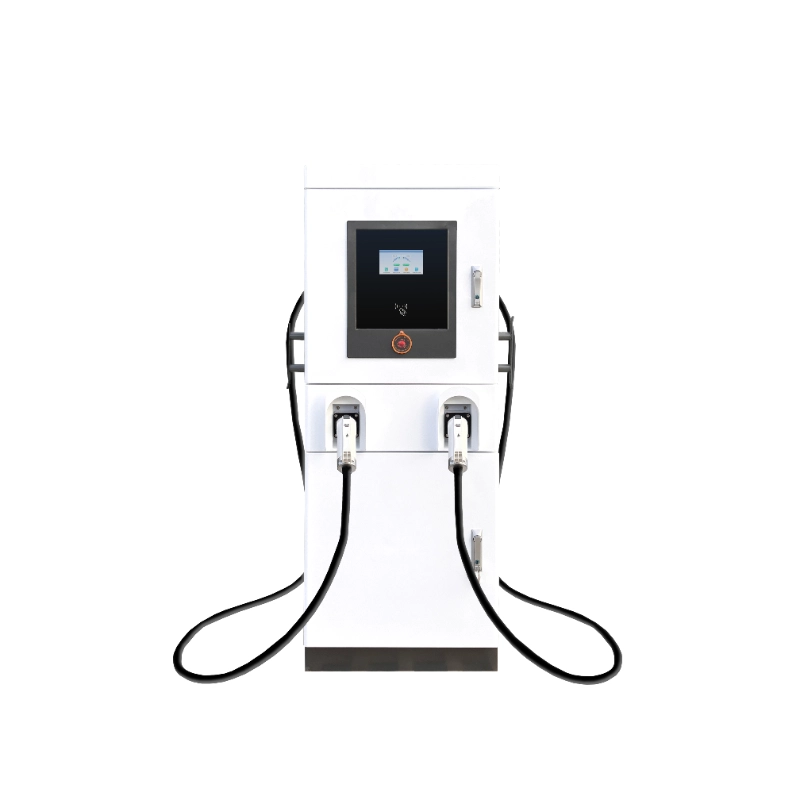
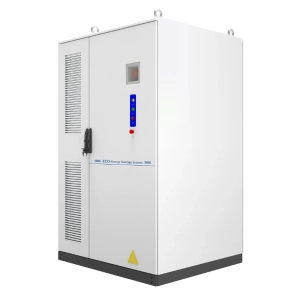
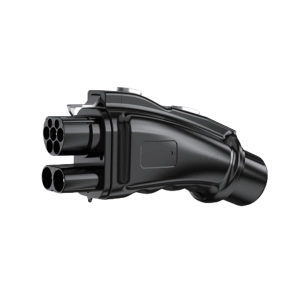
- DC Fast Charging (Level 3): The conversion from AC to DC happens inside the large off‑board charger before the power reaches the vehicle. This bypasses the car’s slower onboard charger, delivering high power directly to the battery. DC fast charging can add 100–200+ miles of range in just 15–30 minutes, making it ideal for highway travel and quick top‑ups.
In short: AC charging is slower but convenient for daily use; DC fast charging is much faster and essential for long trips, though it requires specialized, high‑power stations.