Commercial EV Charging Station Solutions: The 2026 ROI Guide
Release time: 2026-06-04
Table of Contents
The global transition to electric mobility has moved past the early adoption phase and entered a period of massive infrastructure scaling. For commercial real estate owners, fleet managers, and industrial facilities, investing in commercial EV charging station solutions is no longer just a sustainability checkbox—it is a critical revenue driver and operational necessity.
By 2026, the EV charging market demands more than just installing a plug; it requires intelligent, scalable, and high-performing infrastructure. Whether you are electrifying a logistics depot, upgrading a retail parking facility, or integrating charging with on-site solar and energy storage systems, understanding the underlying technology is paramount. This comprehensive guide breaks down the architecture, hardware materials, software ecosystems, and ROI models defining the commercial EV charging landscape today.
Why High-Power Commercial EV Charging is the New Baseline
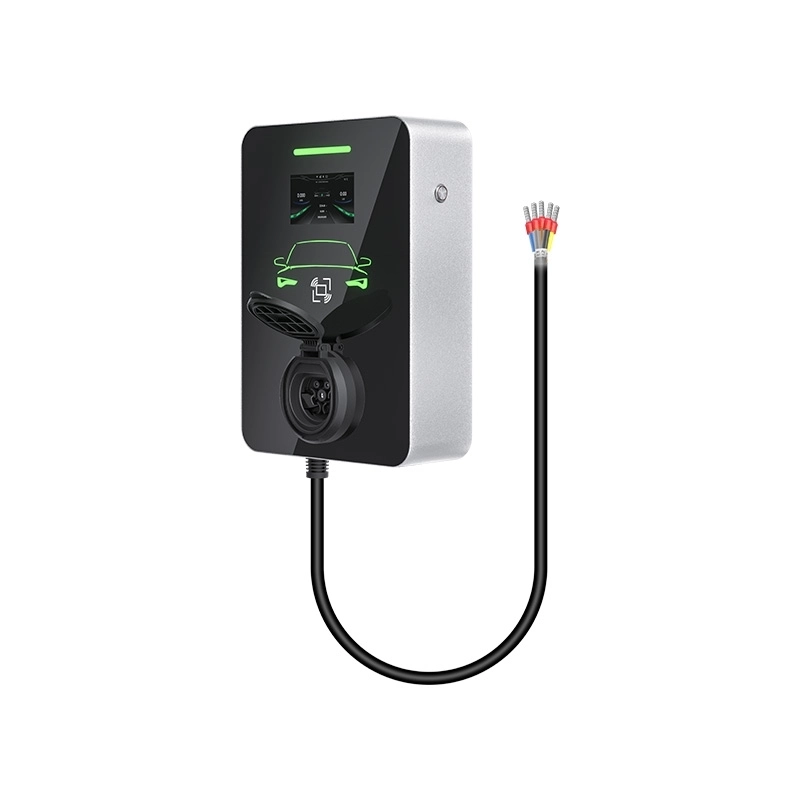
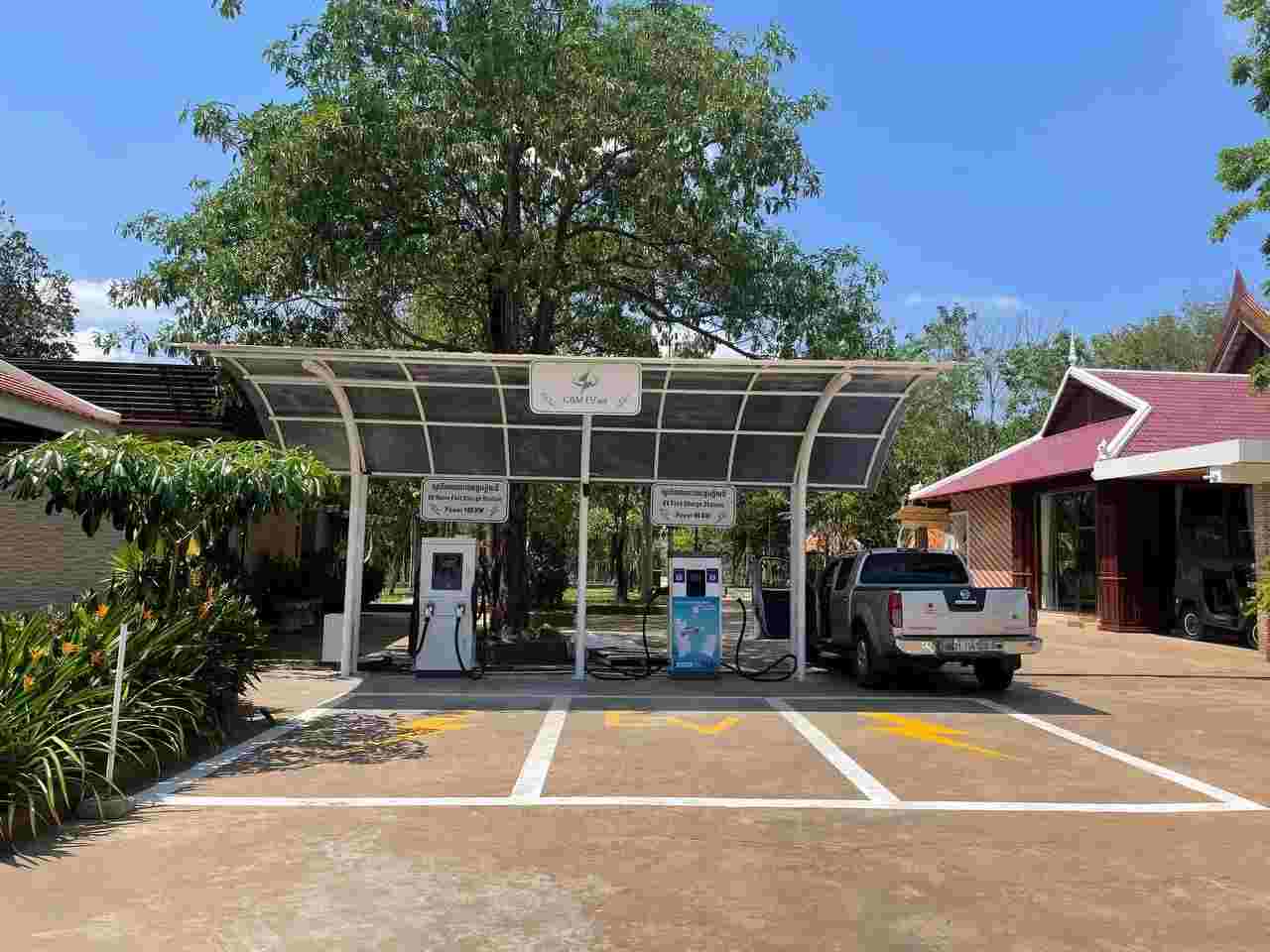
In commercial environments, the expectations for charging speeds and reliability have shifted dramatically. While standard Level 2 AC chargers remain relevant for long-dwell locations like workplaces and hotels, High-Power DC Fast Charging (DCFC) has become the commercial baseline.
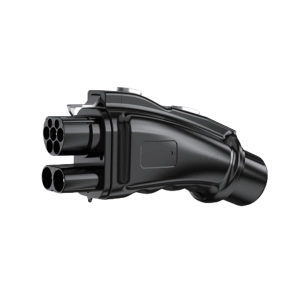
Operators are increasingly prioritizing throughput and asset efficiency over minimal upfront costs. A 120 kW, 180 kW, or higher-capacity DC fast charger enables rapid vehicle turnover, which is critical for fleet depots, highway corridors, and logistics hubs. Furthermore, with the rollout of Megawatt Charging Systems (MCS) for heavy-duty trucking, the industrial sector is preparing for unprecedented power demands. Commercial facilities must adopt an architecture that supports both current requirements and future scaling without requiring constant hardware overhauls.
Core Architecture of a Commercial EV Charging Solution
A robust commercial EV charging solution integrates three fundamental layers: durable hardware, intelligent software, and proactive energy management.
Industrial-Grade Hardware and Material Selection
When deploying chargers in outdoor commercial environments, durability is non-negotiable. The physical enclosure must withstand harsh weather, UV degradation, and potential physical impacts in busy parking areas.
- Stainless Steel (304/316): Delivering a 15–20+ year lifespan and superior NEMA 4X weather resistance, stainless steel enclosures are the gold standard for outdoor industrial applications and high-traffic public stations.
- Coated Carbon Steel: A cost-effective alternative providing NEMA 3R protection, ideal for sheltered commercial locations like covered parking garages or mild climates.
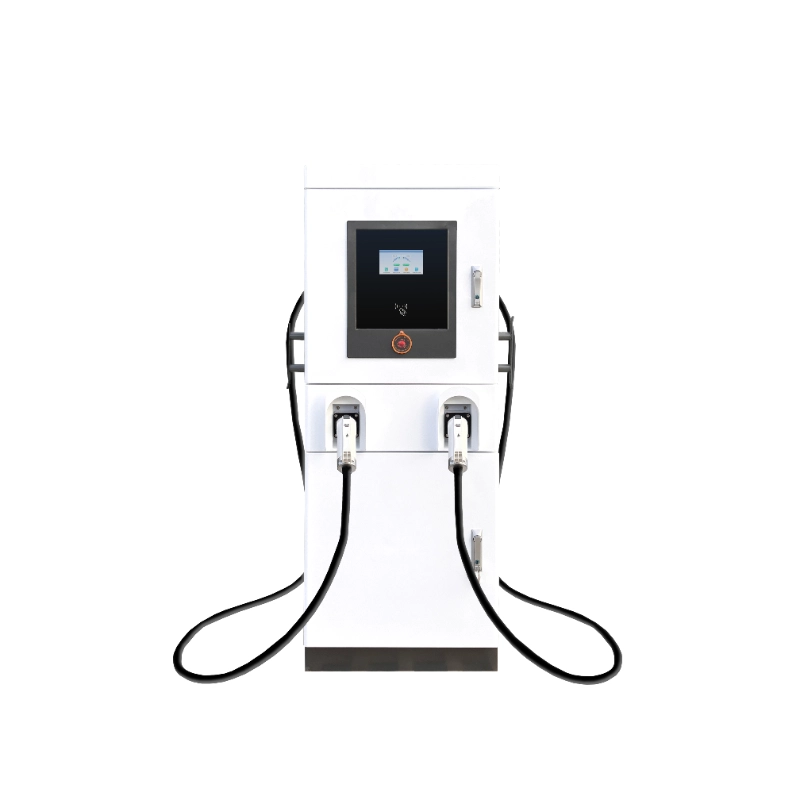
- Modular Dispenser Design: Modern commercial units frequently separate the heavy power cabinet from the user-facing dispenser. This allows facilities to route heavy electrical infrastructure away from tight parking spots, utilizing sleek, liquid-cooled dispensers equipped with overhead cable management systems.
OCPP-Compliant Software and Interoperability
Operating a profitable charging network requires centralized, interoperable software. Open Charge Point Protocol (OCPP) compliance is crucial. It ensures your hardware is not permanently locked to a single software vendor, providing long-term flexibility. The best commercial software platforms offer:
- Real-time remote diagnostics: Capable of resolving up to 70% of software-related faults without the expense of dispatching a technician.
- Dynamic pricing engines: Adjust billing based on Time-of-Use (TOU) utility rates, ensuring profitability during peak demand hours.
- Seamless payment integrations: Supporting RFID network cards, corporate fleet cards, and universal tap-to-pay digital wallets.
Dynamic Load Management (DLM)
A major bottleneck for commercial EV charging deployment is the existing capacity of the local electrical grid. Dynamic Load Management (DLM) software intelligently distributes available power across multiple active chargers in real-time. If a commercial building has a strict power limit, DLM ensures that the combined electrical draw of the building and the EV chargers never exceeds that cap. This technology avoids exorbitant peak demand utility charges and prevents the need for costly, time-consuming electrical panel upgrades.
Overcoming Grid Constraints: Battery-Buffered Systems and Solar Integration
As commercial sites scale their EV infrastructure, municipal grid capacity often becomes the primary obstacle. Upgrading a facility’s grid connection to support multiple high-power DC chargers can take years of regulatory permitting and require immense capital expenditure.
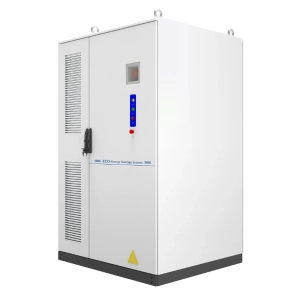
To bypass this bottleneck, the industry is rapidly shifting toward battery-buffered charging architecture. By integrating on-site Energy Storage Systems (ESS) with the charging stations, a facility can draw a low amount of power consistently from the grid over 24 hours, store it locally, and then deliver high-power bursts directly to EVs when needed. This allows a site with a standard commercial grid connection to deliver a peak megawatt charging experience.
Furthermore, integrating this charging infrastructure with on-site renewable energy—such as high-efficiency HJT or TOPCon solar panels mounted on charging canopies—creates a highly efficient, decentralized microgrid. This setup not only significantly reduces operating costs by capturing free solar energy but also maximizes a company’s ESG (Environmental, Social, and Governance) rating.
Vehicle-to-Grid (V2G) and Bidirectional Charging
Looking ahead, bidirectional charging is set to unlock entirely new commercial revenue streams. Vehicle-to-Grid (V2G) technology allows EV batteries to function as mobile power plants. During periods of peak grid demand and inflated energy prices, commercial fleets can discharge stored energy from their vehicles back into their own facility or sell it to the local grid.
For logistics companies and industrial operators, this transforms idle fleet vehicles into active energy assets. By participating in demand-response programs, commercial operators can generate recurring revenue, fundamentally altering the economics of fleet management and further shortening the ROI period of their charging infrastructure.
Maximizing ROI: Revenue Models for Commercial Charging
Investing in commercial EV charging stations offers multiple pathways to profitability, depending entirely on the specific business model of the host site.
The Direct Revenue Model
For retail centers, commercial real estate developers, and dedicated public charging hubs, operators can generate direct revenue by setting custom public tariffs. Advanced charging network software allows businesses to implement flexible pricing: flat session fees, per-kWh rates, or idle fees that charge users who remain parked in the bay after their battery reaches a full charge.
The Fleet Efficiency Model
For commercial logistics, foreign trade exporters managing inland transport, and heavy-duty fleets, ROI is measured in vehicle uptime and operational cost savings. Transitioning from diesel to electric drastically reduces long-term fuel and mechanical maintenance expenses. For heavy-industry operators utilizing electric construction machinery and excavators, deploying localized DC fast charging hubs ensures that these high-draw vehicles can recharge swiftly during shift changes without stalling operations. Paired with intelligent depot charging software, fleet managers can automate charging schedules for off-peak hours when electricity rates are lowest.
Charging-as-a-Service (CaaS)
For businesses looking to avoid high upfront capital expenditures (CapEx), the CaaS model is rapidly gaining traction. In this structure, a third-party provider installs, owns, and maintains the charging hardware, while the commercial site pays a predictable monthly subscription or agrees to a revenue-share model. This turnkey approach eliminates maintenance headaches, transfers hardware risk, and guarantees maximum network uptime for the facility.
Conclusion
Commercial EV charging station solutions represent a critical infrastructure upgrade for the modern industrial and commercial landscape. Success in this sector requires moving beyond basic specifications and focusing heavily on long-term execution: selecting NEMA-rated durable hardware, implementing flexible OCPP-compliant software, and leveraging dynamic load management to protect existing electrical infrastructure.
By integrating advanced architectures like battery-buffered systems and exploring bidirectional V2G capabilities, businesses can overcome grid limitations and turn their parking facilities into highly profitable energy hubs. As commercial EV adoption continues to accelerate globally, organizations that proactively deploy scalable, intelligent EV charging solutions will secure a decisive, long-lasting competitive advantage in their respective markets.